

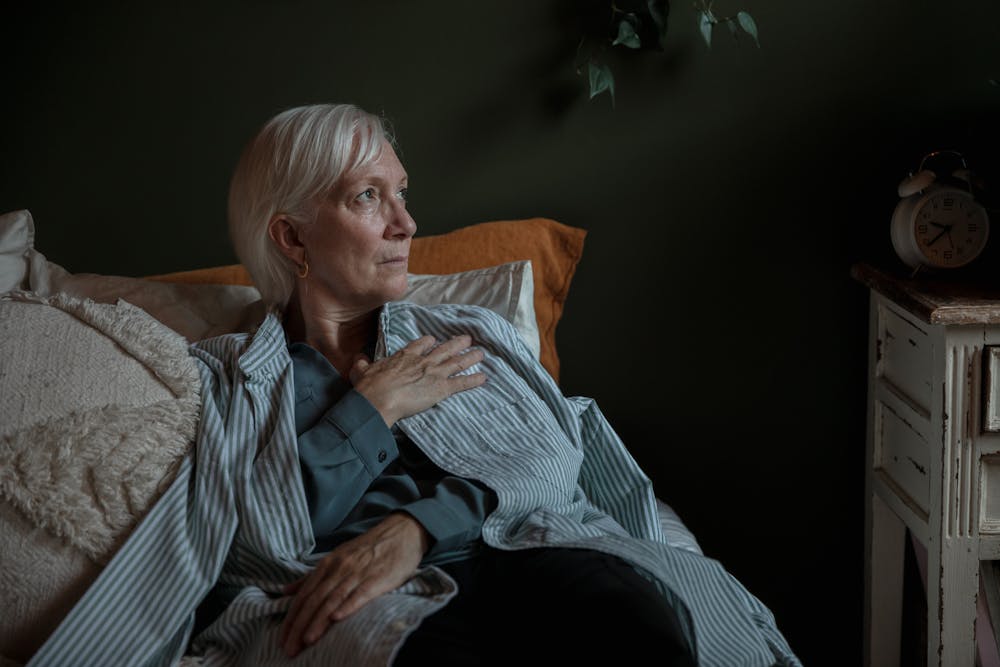
Though we often assume addiction is something that only affects younger people, substance use disorders are becoming increasingly prevalent among Americans over 55. Additionally, addiction that develops later in life often looks very different than it does in younger populations.
Physical changes, life transitions and complex medical needs can all influence how substance use develops and what treatment methods prove successful. At Hemet Valley Recovery Center & Sage Retreat, we recognize these differences and offer specialized care designed specifically for older adults.
Slower Metabolism Changes the Effects of Substances
Aging bodies process drugs and alcohol differently. The liver and kidneys, which are responsible for metabolizing substances, often become less efficient over time. That means alcohol, prescription medications and other substances can remain in the bloodstream longer and produce stronger effects.
Even small amounts of alcohol or medication can lead to:
- Greater intoxication
- Increased sedation
- Balance problems and falls
- Memory impairment
For older adults, what once felt like moderate use can quickly become physically dangerous.
Medication Interactions Increase Risk
Many adults over 55 take multiple prescription medications to manage chronic health conditions such as diabetes, hypertension, arthritis or heart disease. This practice, known as polypharmacy, can create serious risks.
Medications like benzodiazepines, sleep aids and opioid pain relievers interact with alcohol and other drugs in ways that amplify their effects. These combinations may lead to confusion, respiratory depression, frequent accidents or overdose.
The warning signs of polysubstance use and medication interactions often resemble normal aging, sometimes causing substance misuse in older adults to go unnoticed by family members or health providers for years.
Retirement and Identity Changes Can Trigger Substance Use
Work provides essential structure, purpose and social connection. When retirement age arrives, some people struggle with the sudden absence of routine and the pride they formerly took in their jobs.
Without meaningful ways to fill empty time, alcohol or prescription medications may become a coping mechanism for boredom, stress or lost purpose. Unfortunately, casual use can evolve into dependency much more rapidly than many people expect. Compounding the problem, older adults also tend to drink or use substances alone at home, allowing their habits to remain hidden for years.
Loneliness and Isolation Are Major Risk Factors
Social isolation is a powerful predictor of older adult substance use. Empty nesters, widows and widowers and people with mobility issues may find they are less interested in investing their time and energy into maintaining friendships and participating in social activities as time goes on.
The resulting loneliness can lead to:
- Depression and anxiety
- Increased alcohol consumption
- Misuse of prescription medications
- Withdrawal from family and community
Polysubstance Use Is More Common Than Many Realize
Another concern among older adults is polysubstance use, which occurs when someone uses more than one substance together. For example, people over age 55 may accidentally or deliberately drink alcohol while taking prescription medications such as sleep aids, anti-anxiety medications or painkillers.
These combinations can significantly increase the risk of:
- Falls and injuries
- Cognitive impairment
- Breathing difficulties
- Dangerous withdrawal symptoms during detox
Managing these complexities requires medical expertise and careful supervision.
Specialized Treatment for Older Adult Substance Use
Addiction treatment is not one-size-fits-all. People over age 55 often experience unique physical, emotional and social challenges that require a tailored approach.
Hemet Valley Recovery Center & Sage Retreat’s Older Adult Program is specifically for the needs of clients in the 55+ season of their lives. We recognize the distinct experiences of later-life addiction and provide compassionate, medically informed care in a supportive environment.
As a CARF-accredited, hospital-based treatment center, we offer advantages that many other facilities cannot provide.
- Medically supervised detox with 24/7 monitoring
- Integrated care for chronic pain and other health conditions
- Medication management and support for cognitive challenges
- Therapeutic programming that addresses life transitions, grief and identity changes
Our experienced clinical team understands the complexities of later-life addiction and works closely with each client to create an individualized treatment plan.
Recovery Is Possible at Any Age
It’s never too late to seek help. Many older adults find that recovery opens the door to a healthier, more fulfilling chapter of renewed relationships and improved physical health.
Contact us today to learn more about our specialized 55+ programming and how our hospital-based care can support safe, lasting recovery.