

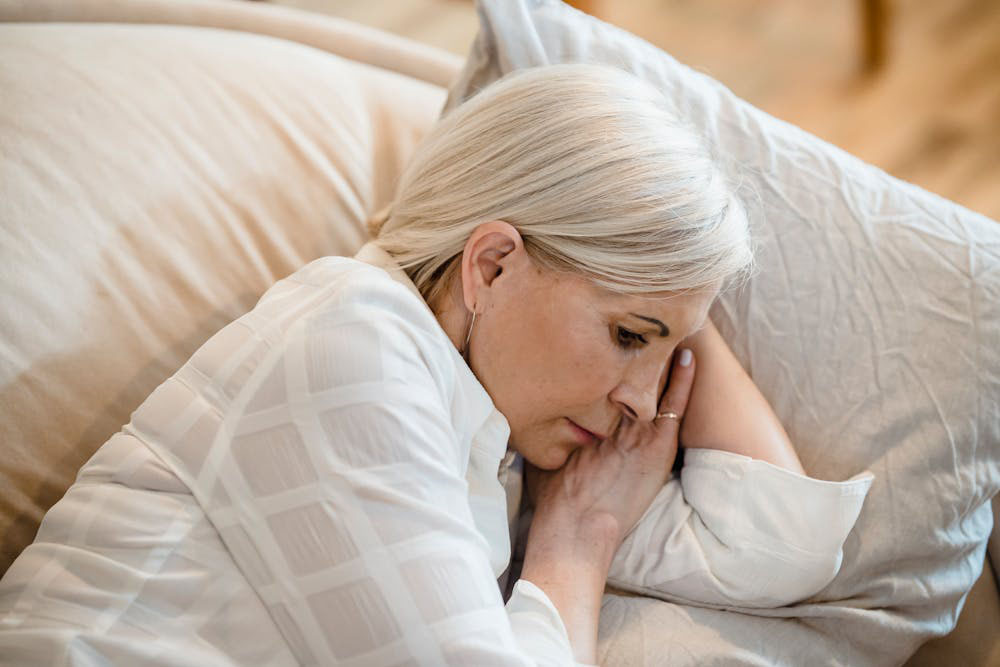
Loss is an inevitable part of life, but it often becomes more frequent as we age. The death of a spouse, close friends, siblings or a chronic illness diagnosis can create a profound, lingering grief. This emotional pain doesn’t always emerge in obvious ways for many older adults. Instead, it may lead to increased alcohol use, reliance on prescription medications or other misplaced coping mechanisms.
At Hemet Valley Recovery Center & Sage Retreat, we understand the connection between grief and substance use, especially for people 55 and older.
Why Grief Feels Different for Older Adults
Grief in older adulthood often carries unique challenges:
- Loss of a life partner after decades together
- Shrinking social circles as peers pass away
- Changes in identity after retirement or health decline
- Increased isolation due to mobility or health issues
Unlike in earlier stages of your life, you may have fewer opportunities to rebuild social connections or establish new routines, which can make grief feel more permanent and overwhelming.
The Link Between Grief and Substance Use
Grief is not just emotional – it’s physical, psychological and personal. Many people who lack healthy outlets use substances to cope.
Alcohol
Alcohol is a frequently used coping mechanism among older adults. You may rely on it to numb emotional pain, fall asleep faster or feel less anxious. Unfortunately, prolonged alcohol abuse can worsen depression, disrupt healthy sleep patterns and increase feelings of isolation.
Prescription Medications
Older adults are more likely to have prescriptions for medications that relieve insomnia, chronic pain or anxiety. While these medications can be helpful when used appropriately, they also carry a risk of dependence – especially when used to cope with grief or emotional distress.
Why These Issues Often Go Unnoticed
The signs of substance use in older adults are easy to overlook or mistake for typical aging. Because many older people live alone and have fewer social interactions, concerning patterns like these may go unnoticed for long periods:
- Memory problems
- Fatigue
- Mood changes
- Balance issues or falls
The Risk of Isolation and Loneliness
Loneliness is one of the strongest predictors of substance misuse later in life. Grief can intensify without regular social connections, and substances may begin to fill the emotional void.
Isolation and grief create a self-sustaining cycle:
- Increased alcohol or drug use
- Withdrawal from family or community
- Worsening depression or anxiety
- Reduced motivation to seek help
When Grief Becomes Complicated
Grief is a natural process, but sometimes it becomes prolonged or overwhelming. Signs that you may benefit from professional care include:
- Persistent feelings of emptiness or hopelessness
- Difficulty functioning in daily life
- Loss of interest in previously meaningful activities
- Increased reliance on alcohol or prescription medications like opioids and benzodiazepines
- Ongoing sleep disturbances or physical decline
Why Specialized Treatment Matters
Older adults experiencing grief and substance use need care that addresses the emotional and physical aspects of their situation. Hemet Valley Recovery Center & Sage Retreat offers an older adult program designed specifically to meet the needs of our clients aged 55 and older.
As a hospital-based, CARF-accredited facility, we provide:
- Medically supervised detox for alcohol and prescription medications
- Care for co-occurring medical conditions such as heart disease or diabetes
- Support for cognitive changes or memory concerns
- Therapy focused on grief, loss and life transitions
- A structured, supportive environment that reduces isolation
Our team understands that grief is not something to “get over” – it’s something to work through with compassion and time.
Understanding How Bereavement Can Impact Older Adults
Grief and loss are part of the human experience, but they do not have to lead to isolation or addiction. With our care, you can start processing loss in a healthy way while rebuilding your purpose and relationships.
Recovery in later life often includes:
- Reestablishing daily structure
- Reconnecting with others
- Learning healthier coping strategies
- Improving physical and emotional well-being
Experienced help for grief and substance use is available. Contact us today to learn how our specialized programs can support you through grief, recovery and the next chapter of life with medically informed care designed specifically for older adults.