

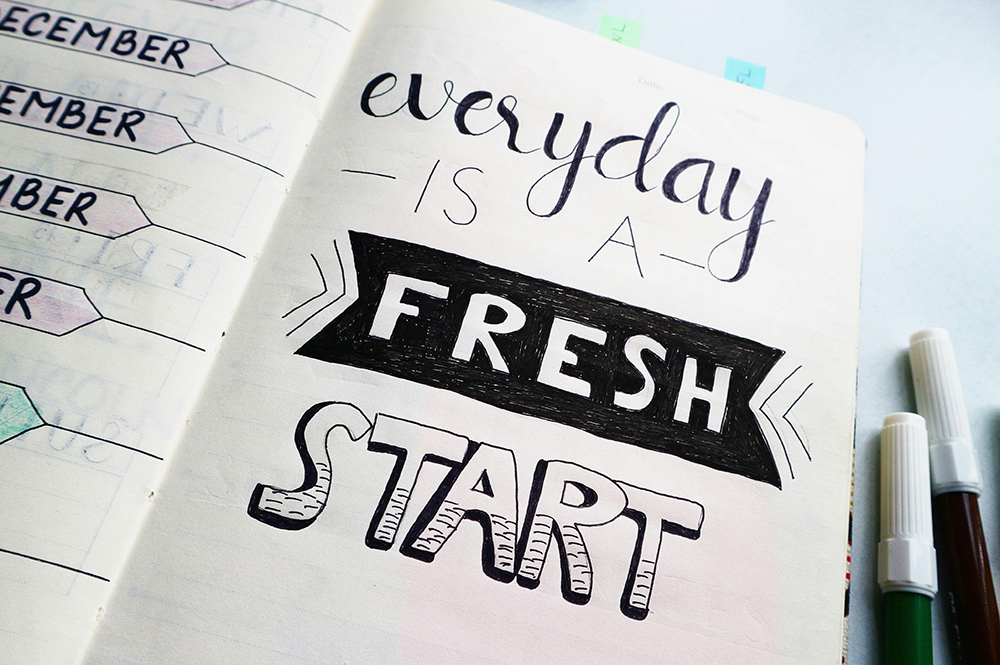
The start of a new year can bring a renewed sense of hope, especially for people in recovery. You may feel freshly inspired to improve your well-being or accomplish lofty goals. But while enthusiasm is a positive trait, overly ambitious New Year’s resolutions can sometimes set you up for failure – especially if they ignore the reality of where you are in the moment.
Hemet Valley Recovery Center encourages our clients to set realistic, sustainable and recovery-affirming goals. Here’s how to approach your resolutions with self-compassion and clarity, so you can build a sturdier foundation for the year ahead.
Why “All-or-Nothing” Resolutions Tend to Backfire
Many New Year’s goals stem from an internal pressure to fix every perceived problem at once. But recovery is not an instant transformation – it’s a process that unfolds day by day. When you set unrealistic expectations, you’re more likely to feel defeated when progress doesn’t come quickly. That can lead to shame, discouragement or even relapse.
Instead of trying to overhaul your entire life, aim for small, consistent changes that reinforce your recovery values. These healthy goals should be flexible, manageable and aligned with your emotional and physical well-being.
1. Improve Your Sleep Hygiene
Poor sleep can increase stress, cravings and emotional dysregulation. Make rest a priority by:
- Setting a consistent bedtime
- Limiting screen time before bed
- Avoiding caffeine late in the day
- Creating a calming bedtime routine
Even minor changes to your sleep habits can significantly impact your recovery.
2. Attend More Meetings
Whether you prefer 12-step meetings or an alternative model like SMART Recovery, attending more meetings can strengthen your connection to a recovery community and reduce isolation.
Start small. If you normally go once a week, try adding one more meeting. Even better, plan to reach out to a fellow member after each one.
3. Reconnect With Your Support System
Recovery can be lonely if you’re not nurturing relationships. Reach out to trusted friends, family members or mentors who support your sobriety. Schedule weekly phone calls or lunch dates, or send a simple text to say you’re thinking of them.
4. Explore Mindfulness or Meditation
Mindfulness practices can reduce anxiety, increase emotional regulation and help you stay grounded in the present moment. Try a short guided meditation, breathing exercise or even mindful walks. You don’t need to become a Zen master – just a few minutes a day can make a difference.
5. Be Honest About Your Needs
This resolution is about practicing radical honesty – with yourself and others. Are you white-knuckling your sobriety? Do you need therapy, structure or a higher level of care? Let this be the year you stop hiding your struggles and start advocating for the support you deserve.
How to Set Healthier, More Attainable Goals
What has caused your previous New Year’s resolutions to fail? Maybe you aimed too high or were too vague. Try using the SMART goal framework to remember the best practices of goal-setting.
- Specific: Define what you want to achieve.
- Measurable: Track your progress with an app or physical calendar.
- Achievable: Is this goal realistically possible based on your current circumstances?
- Relevant: Does it support your recovery?
- Time-bound: Set deadlines or check-in points for every goal.
For example, instead of “I’m going to get healthy,” a SMART goal would be: “I’ll take a 15-minute walk three times a week for the next month.”
Support Your Sobriety Without Sabotaging It
Recovery is challenging – but it gets easier when you go to a safe place. Hemet Valley Recovery Center & Sage Retreat helps our clients build the confidence and resilience they need to thrive. Whether you’re new to recovery or want to recommit after a setback, we offer a full continuum of care and will personalize a program for your needs.
In 2026, let go of perfection and embrace progress. Set goals that meet you where you are – not where you think you “should” be. Healing takes time, but every win is a powerful act of self-care. Call today to speak to our admissions team.